
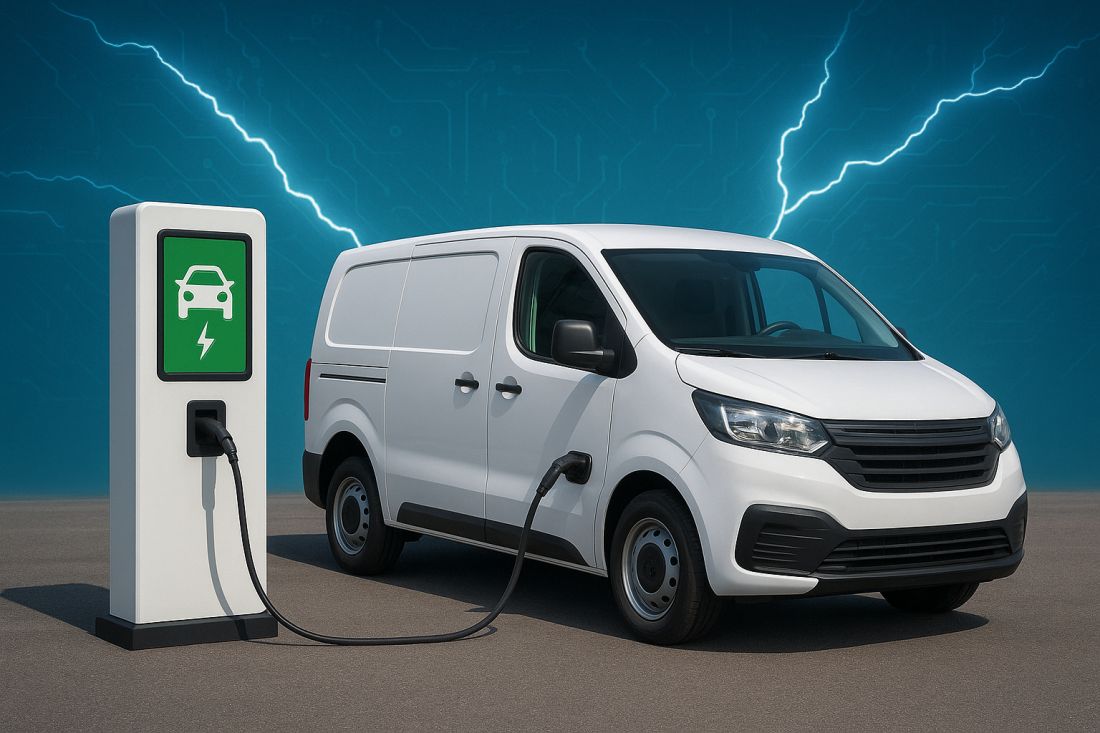
Electric vans - The future of commercial vehicles
Electric Vans – The Future of Commercial Vehicles
As the global push toward sustainability accelerates, the transportation industry is undergoing a transformative shift. One of the most promising developments in this space is the rise of electric vans. With governments enforcing stricter emissions regulations and businesses aiming to reduce their carbon footprint, electric vans are emerging as the future of commercial vehicles.
Why choose an electric van?
Traditional diesel and petrol-powered vans have long been the backbone of delivery services, trades, and logistics. However, they come with a significant environmental cost — high CO? emissions, noise pollution, and rising fuel expenses. Enter electric vans (EVs), which offer several compelling benefits:
1. Zero Emissions
Electric vans produce no tailpipe emissions, making them an ideal solution for urban environments struggling with air pollution. Many more cities accross the uk are introducing stricter low-emission zones - a trend that's expected to grow.
2. Lower Operating Costs
Electric vans are cheaper to run. Electricity is typically less expensive than diesel or petrol, and EVs have fewer moving parts, reducing maintenance costs. For businesses managing large fleets, these savings add up quickly.
3. Government Incentives
To encourage EV adoption, the government offer incentives such as electric vehicles are exempt from road tax and may qualify for the UK's Plug-in Van Grant (until March 2026) or other grants that offer a discount on the purchase price.
4. Improved Technology
Battery technology has advanced significantly. Modern electric vans offer increased range, faster charging times and better performance. Today’s electric vans can meet the needs of most daily commercial operations.
Popular Electric Vans in the Market
Several manufacturers have already launched electric van models suited for various commercial purposes:
Ford E-Transit – A fully electric version of one of the world’s most popular commercial vans.
Mercedes-Benz eSprinter – A high-tech, reliable option for fleet operators.
Renault Kangoo E-Tech – Perfect for smaller businesses and city deliveries.
Volkswagen ID. Buzz Cargo – A futuristic and functional van with eco-conscious design.
Challenges Ahead
While the future looks bright, the transition isn’t without hurdles:
Charging Infrastructure: Many regions still lack widespread fast-charging networks.
Initial Costs: Upfront purchase prices for EVs remain higher than for traditional vans, though the gap is closing.
Range Anxiety: Despite improvements, range limitations can still concern businesses with longer routes.
The Road Ahead
Despite these challenges, the direction is clear: electric vans are here to stay. Businesses that embrace this transition early will not only benefit from cost savings and regulatory compliance but will also demonstrate their commitment to sustainability — a growing expectation from consumers and partners alike.
As infrastructure improves, battery tech evolves, and more models hit the market, electric vans are poised to become the backbone of future commercial transport.
Final Thoughts
The move toward electric vans isn’t just a trend — it’s a necessary evolution in how we move goods, deliver services and build a cleaner future. Whether you’re a small business or managing a national fleet, now is the time to start planning your electric future.